Table of Contents: Amp Hours Guide
- What Are Amp Hours?
- Amp Hour Capacity Comparison
- Choose the Right Amp Hours for Landscape Lighting
- FAQs for Amp Hours
Amp hours are one of the most important battery specifications to understand when installing or maintaining landscape lighting systems. Amp hours measure a battery’s capacity, which directly affects runtime, energy output, and overall tool performance.
By understanding how amp hours work, landscape lighting professionals can choose batteries that match their workload, improve efficiency, and reduce jobsite interruptions. Below is a breakdown of how amp hours influence performance and how to select the right capacity for your landscape lighting projects.
What Are Amp Hours?
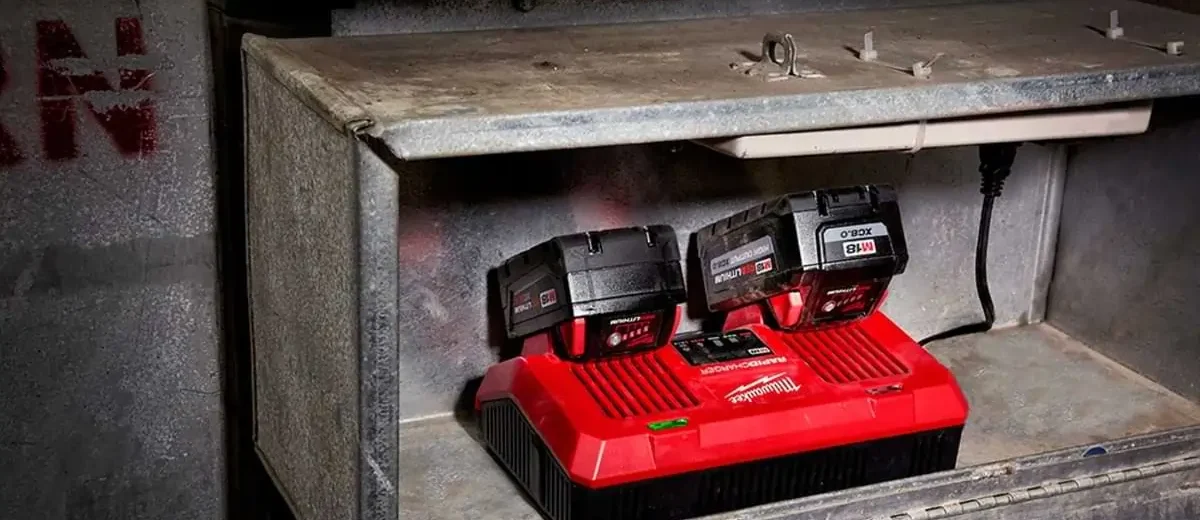
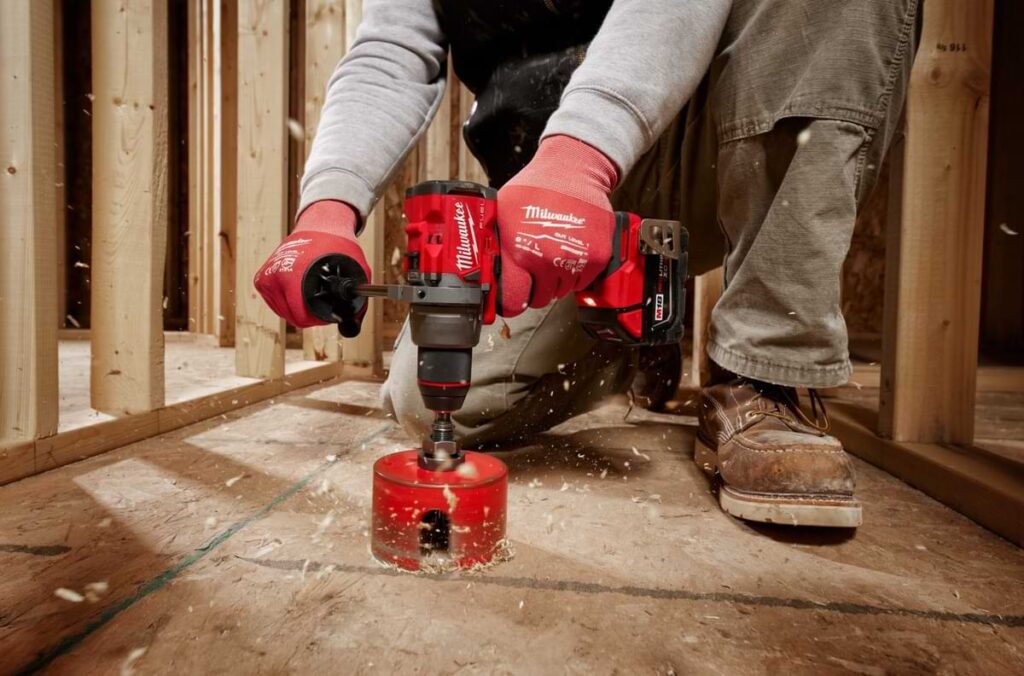
Amp hours, also known as ampere hours, or “Ah,” are a measurement that indicates how much energy a battery can store and deliver over time. In simple terms, higher amp hour ratings typically mean longer runtime and greater energy capacity.
Understanding amp hours helps installers choose batteries that align with the scope and demands of each lighting project.
- Measure Energy Storage: Amp hours indicate how much electrical charge a battery can hold, which directly impacts how long a tool can operate before requiring a recharge.
- Determine Runtime Duration: A higher Ah rating allows tools such as drills, trenchers, and cable cutters to operate longer without swapping batteries.
- Support Consistent Performance: Batteries with greater capacity help maintain steady power output during longer installation or repair tasks.
- Influence Productivity: Selecting the correct amp hour rating helps crews complete lighting installations with fewer workflow disruptions caused by charging or battery changes.
Amp Hours and Battery Runtime
Battery runtime is one of the most noticeable effects of amp hour ratings. As amp hours increase, the length of time a tool can operate generally increases as well.
Selecting batteries based on expected runtime helps crews stay organized and productive throughout the job.
- Extend Operating Time: Higher amp hour batteries allow installers to run tools for longer periods of time during fixture mounting, wire trenching, and system adjustments.
- Reduce Battery Swaps: Larger capacity batteries minimize interruptions, which helps maintain installation momentum on larger projects and properties.
- Improve Efficiency: Fewer battery changes can reduce downtime, especially when working in expansive landscapes or remote areas of a property.
- Match Workload Demands: Smaller amp hour batteries often perform well for quick service calls, while larger batteries are better suited for full installations.
Amp Hours and Power Delivery
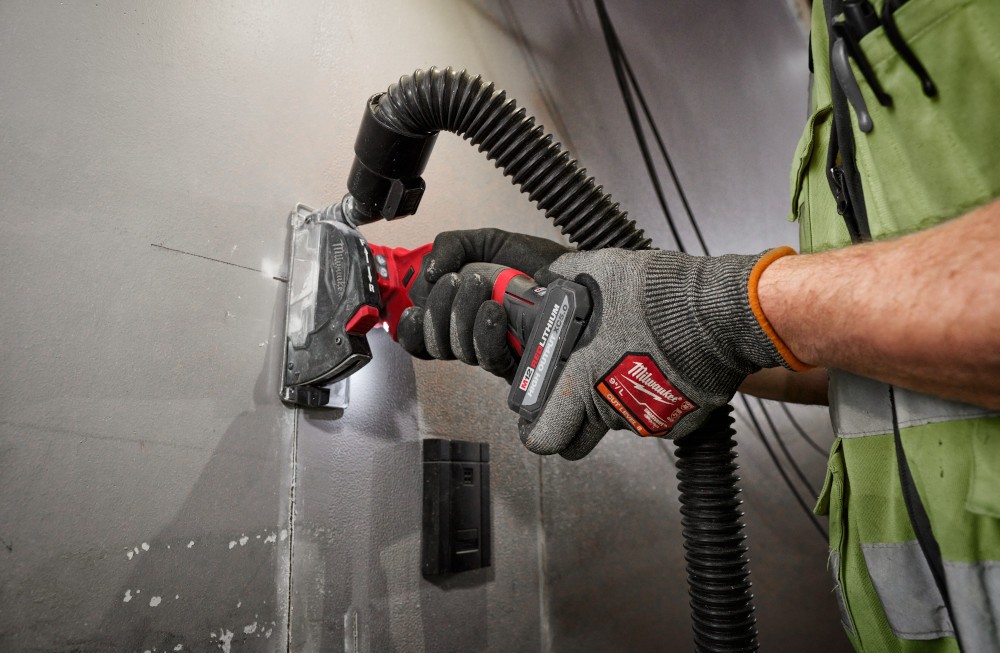
While amp hours primarily measure capacity, they also influence how well batteries support tools under heavier loads. Choosing batteries with sufficient amp hour capacity helps tools operate efficiently when workload demands increase.
- Sustain Power Output: Higher amp hour batteries typically handle demanding tasks more effectively by delivering consistent energy flow to high-draw tools.
- Support Heavy-Duty Applications: Tasks such as drilling through stone, boring mounting holes, or cutting thicker wire often benefit from batteries with greater capacity.
- Improve Tool Performance: Larger batteries help prevent performance drops that can occur when tools require sustained power for extended periods.
- Enhance Jobsite Reliability: Reliable power delivery helps ensure installers can maintain precise work quality when mounting components and installing lighting fixtures.
Amp Hour Capacity Comparison
Amp hour ratings vary widely, and each capacity range supports different landscape lighting applications. Use this chart as a general guideline:
| Amp Hour Range | Best Use | Runtime Expectation | Typical Applications |
| 1.5Ah – 2.0Ah | Light-duty tasks | Shorter runtime | Service calls, fixture adjustments, small repairs |
| 3.0Ah – 5.0Ah | General installation work | Moderate runtime | Mounting fixtures, running wire, standard drilling |
| 6.0Ah – 12.0Ah+ | Heavy-duty and large-scale installs | Longest runtime | Trenching, masonry drilling, full property installations |
Choose the Right Amp Hours for Landscape Lighting
Understanding amp hours allows landscape lighting professionals to match battery capacity with jobsite demands. Lower amp hour batteries provide lightweight convenience for quick tasks, while higher amp hour batteries deliver extended runtime and stronger energy support for complex installations.
By selecting the right battery capacity, installers can improve workflow efficiency, reduce downtime, and maintain reliable performance across every phase of a landscape lighting project.
FAQs for Amp Hours
Amp hours describe how much energy a battery can store and deliver over time, which directly affects how long landscape lighting tools can run before needing a recharge. Higher amp hour ratings generally translate to longer runtimes and fewer battery changes on the job.
“One amp hour” doesn’t mean exactly “one hour” of runtime. An amp hour represents a battery supplying a steady amount of current for a limited period, with the actual runtime depending on how much power the tool draws during use. Tools that demand more energy will use up that capacity faster than lighter-duty equipment.
A 100 amp hour battery provides a large amount of stored energy and can run equipment for an extended time, but the exact duration varies based on the power demands of the lighting tools or system being used. In landscape lighting applications, this capacity is typically reserved for long runtimes or high-draw equipment rather than handheld tools.
Join our Insider list and check out the different lighting options that we have to offer.