Table of Contents: LED Waterfall Lights Guide
- What Are Waterfall Lights?
- Bring Landscapes to Life After Dark with Waterfall Lights
- FAQs for Waterfall Lights
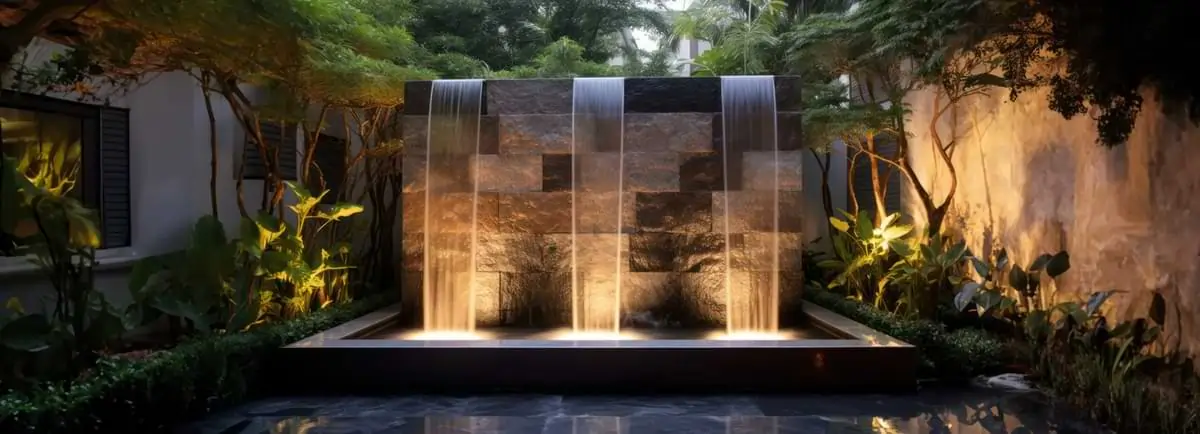
Lights for a waterfall, or waterfall lights, are one of the most striking techniques in landscape lighting design, creating a soft cascade of illumination that mimics the natural flow of water.
By positioning fixtures above a surface and aiming light downward, this method produces shimmering highlights, layered shadows, and a sense of movement that transforms otherwise flat or dark areas into focal points after sunset. For homeowners and landscape lighting professionals alike, waterfall lighting offers both aesthetic impact and functional visibility across outdoor spaces.
What Are Waterfall Lights?
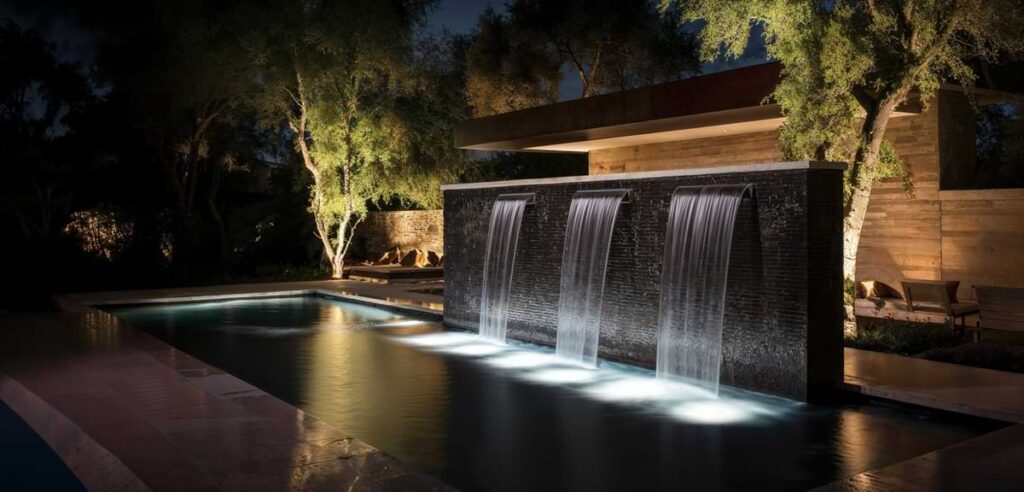
Unlike underwater lights, waterfall lighting refers to fixtures mounted above the target area—often in trees, pergolas, eaves, or overhead structures—so that light falls downward in a gentle wash.
And unlike uplighting, which emphasizes height and structure from below, waterfall lighting creates a natural top-down glow similar to moonlight or dappled sunlight filtering through foliage.
This technique is especially effective in spaces where you want soft ambient illumination rather than sharp beams or dramatic silhouettes. It enhances textures, reduces harsh shadows, and creates a welcoming nighttime atmosphere.
Where Waterfall Lighting Works Best
Lights for a waterfall can be applied across many landscape features and outdoor living areas. Because the light originates above eye level, it minimizes direct glare and produces more uniform coverage than many ground-mounted fixtures.
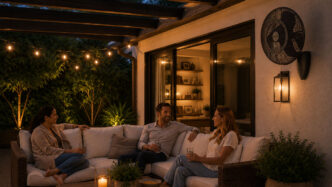
- Patios and Seating Areas: Overhead light creates comfortable visibility without glare, making outdoor patio, porch, and seating areas usable at night.
- Garden Beds and Plantings: Downward light highlights foliage textures and layered planting designs.
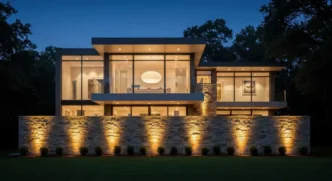
- Stone Walls and Vertical Surfaces: Cascading light accentuates material texture and depth.
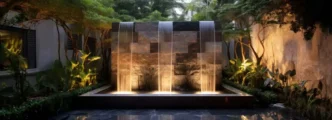
- Water Features: When placed above ponds or fountains, the rippling light effect resembles moving water.
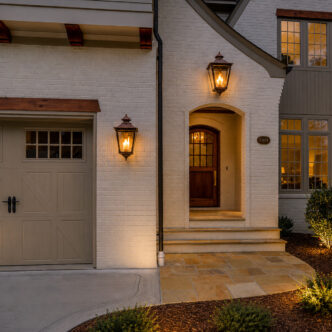
- Path Transitions and Entries: Soft overhead illumination improves navigation while maintaining a natural look.
Design Benefits of Waterfall Lighting
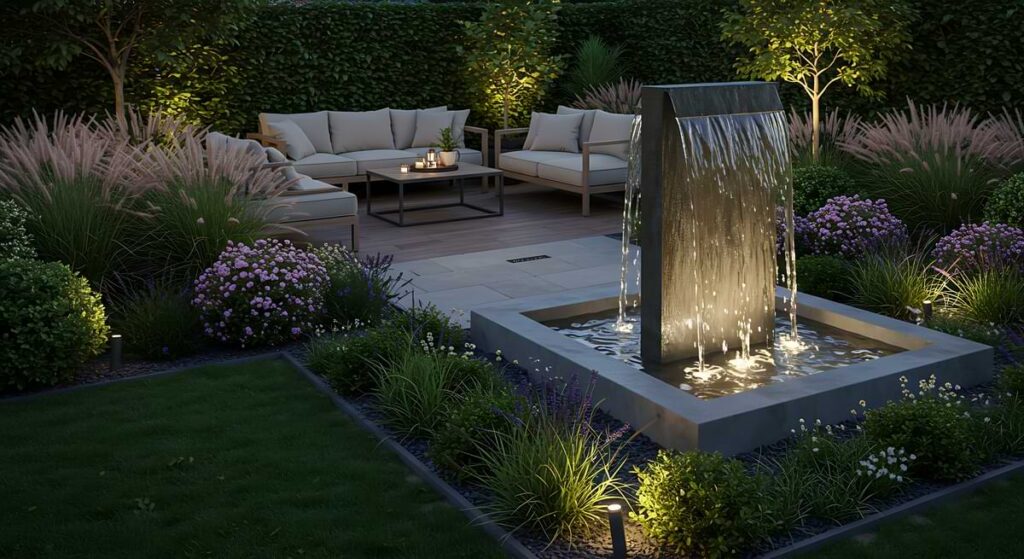
Landscape lighting professionals often use LED waterfall lights to achieve specific visual and functional goals. These qualities make waterfall lighting ideal for residential landscapes that prioritize ambiance and relaxation.
- Natural Moonlight Effect: Downlighting from trees or structures replicates the look of moonlight filtering through branches.
- Soft Shadow Layering: Overlapping beams create depth and movement across surfaces.
- Reduced Fixture Visibility: Elevated placement hides fixtures from view, emphasizing light rather than hardware.
- Comfortable Ambient Light: Gentle downward illumination avoids harsh brightness or hotspots.
- Enhanced Spatial Definition: Overhead glow visually anchors outdoor rooms and gathering areas.
Fixture and Installation Considerations for Waterfall Lights
Successful waterfall lighting depends on thoughtful fixture selection and placement. Installers typically use adjustable downlights or small floodlights mounted in elevated positions. In tree installations, fixtures are often mounted on trunks or branches and aimed through foliage to create dappled patterns on the ground below.
- Mounting Height: Higher placement broadens the light spread and softens intensity.
- Beam Angle: Wider beams create smoother washes; narrow beams produce more defined highlights.
- Aiming Direction: Slight angling prevents flat lighting and adds texture.
- Glare Control: Shielding or positioning keeps the light source out of direct sightlines.
- Surface Reflectivity: Light-colored stone or foliage amplifies the cascading effect.
Waterfall Lighting vs. Uplighting: When to Use Each
Both techniques play important roles in landscape lighting design. Designers frequently combine both approaches—for example, uplighting a tree trunk while adding waterfall lighting from its canopy to illuminate the ground plane beneath.
- Waterfall Lighting: Waterfall lighting emphasizes surfaces and activity areas from above, producing soft ambient illumination.
- Uplighting: Uplighting highlights vertical elements such as trees, columns, and architectural features from below.
Bring Landscapes to Life After Dark with Waterfall Lights
Waterfall lights add motion, texture, and atmosphere to outdoor environments, turning patios, gardens, and gathering spaces into immersive nighttime settings. By mimicking the way light naturally falls from above, this technique creates comfortable visibility without sacrificing mood.
Whether used alone or layered with other lighting methods, waterfall lighting helps landscapes feel cohesive, dimensional, and inviting long after sunset.
FAQs for Waterfall Lights
Waterfall lights create soft, downward illumination to highlight patios, gardens, and vertical surfaces, adding depth and ambiance to outdoor spaces. They also help make outdoor areas safer and more inviting at night.
Unlike uplights that shine from below, waterfall lights shine from above, producing natural, soft illumination without harsh shadows or glare. This top-down approach mimics moonlight and enhances textures in plants and hardscapes.
Install them on trees, pergolas, eaves, or overhead structures to illuminate pathways, garden beds, seating areas, or water features effectively. Proper placement ensures even coverage and prevents glare for anyone using the space.
Join our Insider list and check out the different lighting options that we have to offer.