Table of Contents: Which Landscape Light Timer Is Best for You?
- Why Should You Use a Landscape Lighting Timer?
- What Types of Landscape Lighting Timers Are Available?
- How to Choose the Right Landscape Lighting Timer
- Landscape Lighting Timer Comparison Chart
- Choose the Right Landscape Lighting Timer for Effortless Outdoor Lighting
- FAQs for Landscape Lighting Timers
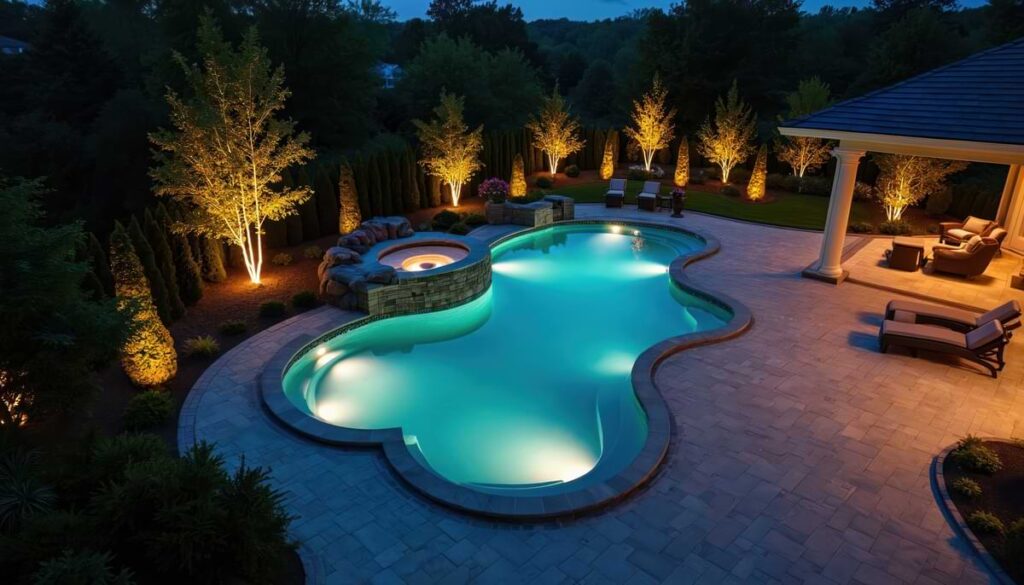
Landscape lighting timer options make it easy to arrive home to a beautifully illuminated yard without ever touching a switch. The right timer automatically turns your outdoor lights on and off, helping you save energy, enhance security, and showcase your landscaping every evening with minimal effort.
Whether you’re installing a new low-voltage lighting system or upgrading an existing transformer, choosing the right timer ensures your lights operate exactly when you want them to.
Why Should You Use a Landscape Lighting Timer?
A landscape lighting timer does more than automate your lights—it makes your entire outdoor lighting system more efficient and reliable. Here are the biggest benefits homeowners enjoy.
- Greater Convenience: Program your lights once and let the timer handle daily operation automatically.
- Improved Energy Efficiency: Prevent lights from running longer than necessary, reducing electricity costs.
- Enhanced Home Security: Keep your property consistently illuminated to create the appearance that someone is home.
- Longer Fixture Life: Reducing unnecessary operating hours helps extend the lifespan of LED bulbs and transformers.
What Types of Landscape Lighting Timers Are Available?
Different timers offer different levels of automation. Understanding each option makes it easier to choose one that fits your lifestyle and lighting system.
1: Mechanical Timers
Mechanical timers are dependable, easy to operate, and perfect for straightforward daily schedules.
- Simple Operation: Use a rotating 24-hour dial with on/off trippers to create a schedule.
- No Programming Required: Avoid complicated menus or digital settings.
- Reliable Performance: Durable mechanical components provide dependable daily operation.
2: Digital Timers
Digital timers provide additional flexibility for homeowners who want greater control over their landscape lighting.
- Multiple Programs: Schedule different on/off times throughout the day or week.
- Battery Backup: Preserve programmed schedules during power outages.
- Flexible Scheduling: Easily adjust lighting for holidays, seasons, or changing routines.
3: Astronomical Timers
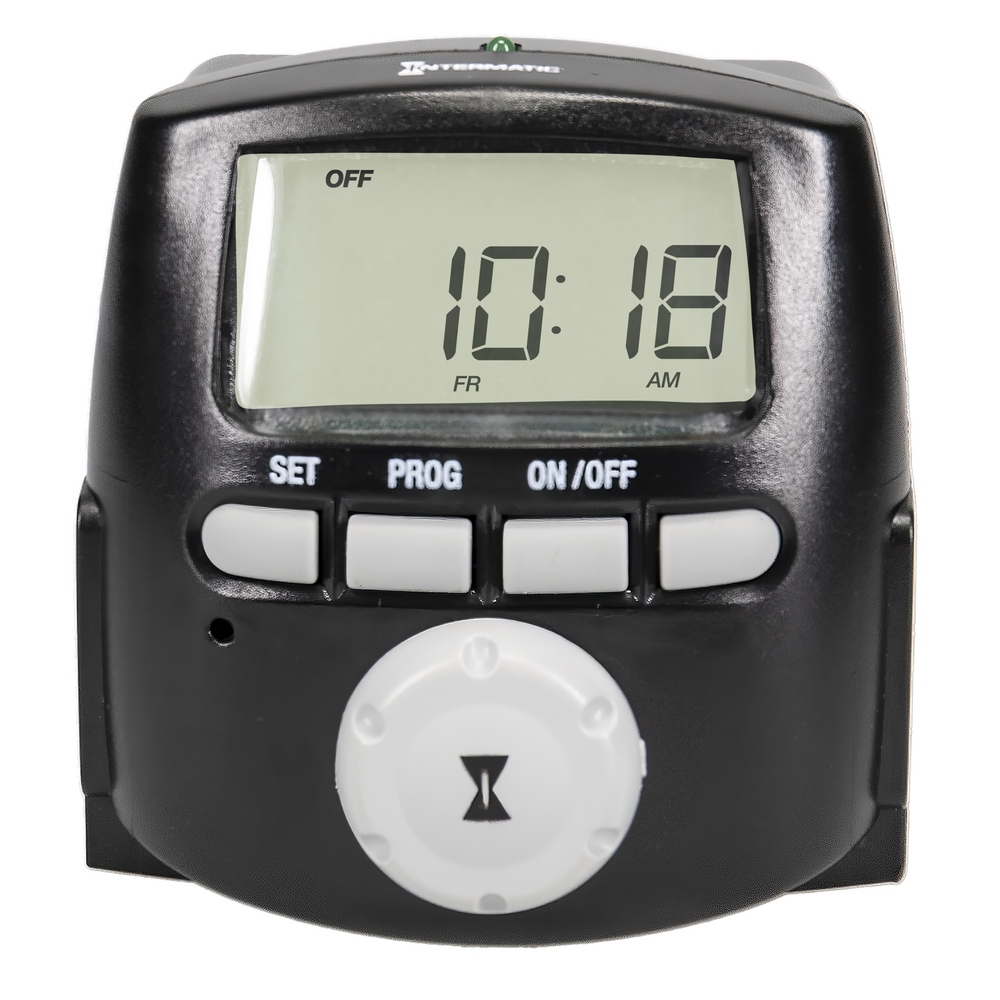
Astronomical timers offer the highest level of automation by following the changing daylight hours throughout the year.
- Sunrise and Sunset Adjustment: Automatically changes schedules based on local daylight times.
- Minimal Maintenance: Eliminate seasonal timer adjustments.
- Year-Round Accuracy: Automatically accounts for daylight saving time and changing daylight patterns.
How to Choose the Right Landscape Lighting Timer
Finding the best timer depends on how you use your outdoor lighting. Consider these factors before making your selection.
- Desired Automation Level: Mechanical timers offer basic scheduling, while astronomical timers provide completely automatic operation.
- Scheduling Needs: Choose a digital timer if you regularly change schedules or need multiple programs.
- Installation Location: Select indoor or weather-resistant outdoor models based on where your transformer is installed.
- Ease of Use: Homeowners wanting a simple “set it and forget it” solution may prefer either mechanical or astronomical timers depending on automation preferences.
- Future Expansion: If you expect to add lighting zones or seasonal displays, a programmable digital timer offers added flexibility.
Landscape Lighting Timer Comparison Chart
Not every landscape lighting setup needs the same type of timer. The best fit depends on how much control you want, where the transformer is located, and how complex your lighting schedule is.
Use the chart below to compare your options at a glance and pick the timer that matches your system and lifestyle.
| Selection Factor | Mechanical Timer | Digital Timer | Astronomical Timer |
| Best For | Simple on/off scheduling | Multiple schedules and customization | Fully automated sunrise/sunset control |
| Control Level | Basic | Moderate to high | Advanced |
| Programming | 1–2 daily cycles | Multiple daily/weekly options | Auto-adjusts timing based on date and location |
| Seasonal Adjustments | Manual | Manual when desired | Automatic |
| Power Outage Handling | Manual reset may be needed | Built-in battery backup | Built-in battery backup |
| Maintenance | Very low | Low | Lowest |
| Typical Buyer | Homeowners who want simplicity | Homeowners who enjoy control and seasonal customization | Homeowners who want zero maintenance and maximum automation |
Choose the Right Landscape Lighting Timer for Effortless Outdoor Lighting
A landscape lighting timer transforms outdoor lighting into a hands-free experience that saves energy while improving your home’s curb appeal and security.
Whether you prefer the simplicity of a mechanical timer, the customization of a digital model, or the convenience of an astronomical timer, choosing the right option ensures your landscape lights perform exactly as you expect every night of the year.
FAQs for Landscape Lighting Timers
Yes, you can put a timer on outdoor lights. Most landscape lighting systems are designed to work with a landscape lighting timer installed at the transformer or power source. These timers automatically control when your lights turn on and off, giving you consistent scheduling without needing to manually flip switches each day.
To get your outdoor lights to turn on automatically, you’ll need to connect them to a timer or smart control system. A landscape lighting timer can be set using a mechanical dial, digital programming, or automatic astronomical settings that follow sunset and sunrise. Once programmed correctly, the system will trigger your lights every day based on your chosen schedule or local daylight patterns.
Common problems with outdoor light timers usually involve incorrect programming, power interruptions, or worn-out components. Mechanical timers can slip out of alignment, digital timers may lose settings during outages if the battery backup fails, and astronomical timers can be inaccurate if the location settings are wrong. In many cases, simply resetting or reprogramming the timer resolves the issue, but older units may need replacement if they become unreliable.
Join our Insider list and check out the different lighting options that we have to offer.