Table of Contents: A Guide to Inground Well Lights
- What Is a Well Light?
- Inground Well Light Performance & Beam Control
- Well Lights: A Clean Finish & Reliable Illumination
- FAQs for Inground Well Lights
Well lights are one of the most versatile and understated fixtures in landscape lighting design.
Because they’re recessed into the ground, well lights disappear during the day and come alive at night. That makes them ideal for homeowners and designers who want dramatic lighting effects without visible hardware disrupting the aesthetic.
What Is a Well Light?
Installed flush with the ground, well lights sit inside a protective housing—often called a “well”—that shields the light source while directing illumination upward. The result? A clean, architectural glow that highlights features without cluttering the landscape.
Designed to withstand foot traffic, weather exposure, and lawn equipment, most well lights feature heavy-duty housings made from brass, stainless steel, or composite materials, along with sealed lenses to prevent moisture intrusion.
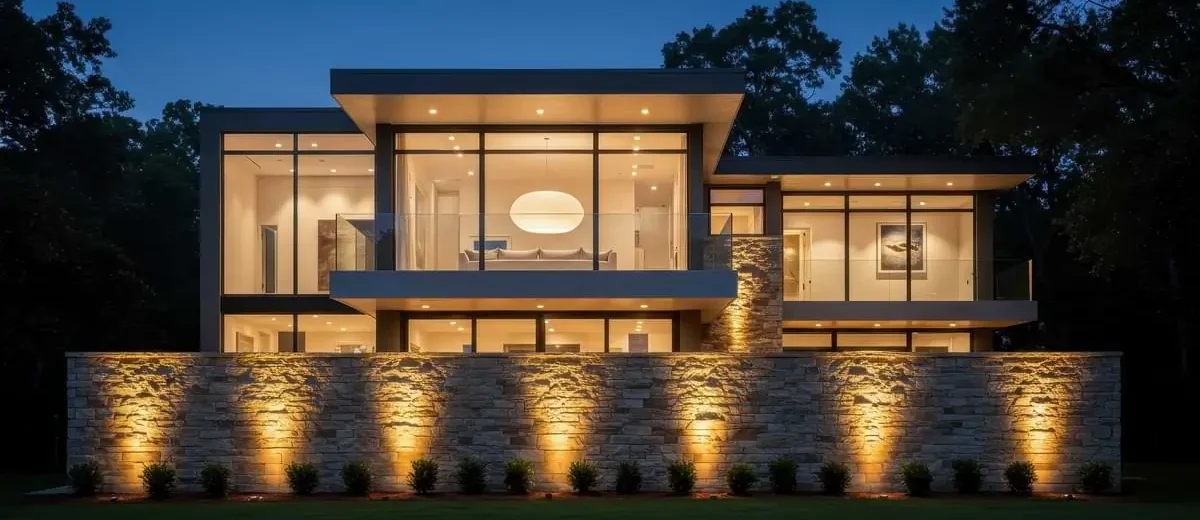
Well lights are commonly used for uplighting trees, columns, facades, and stonework.
Installed at the base of a structure or trunk, they project a focused beam upward, creating depth, shadow, and visual interest.
Where Well Lights Work Best
In-ground well lights perform best in areas where traditional above-ground fixtures might feel exposed or visually intrusive. Their below-grade design allows the beam to take center stage while the hardware remains virtually invisible during the day.
- Accent Architectural Features: Highlight walls, columns, and facades around patios and walkways without narrowing pathways or interrupting clean hardscape lines.
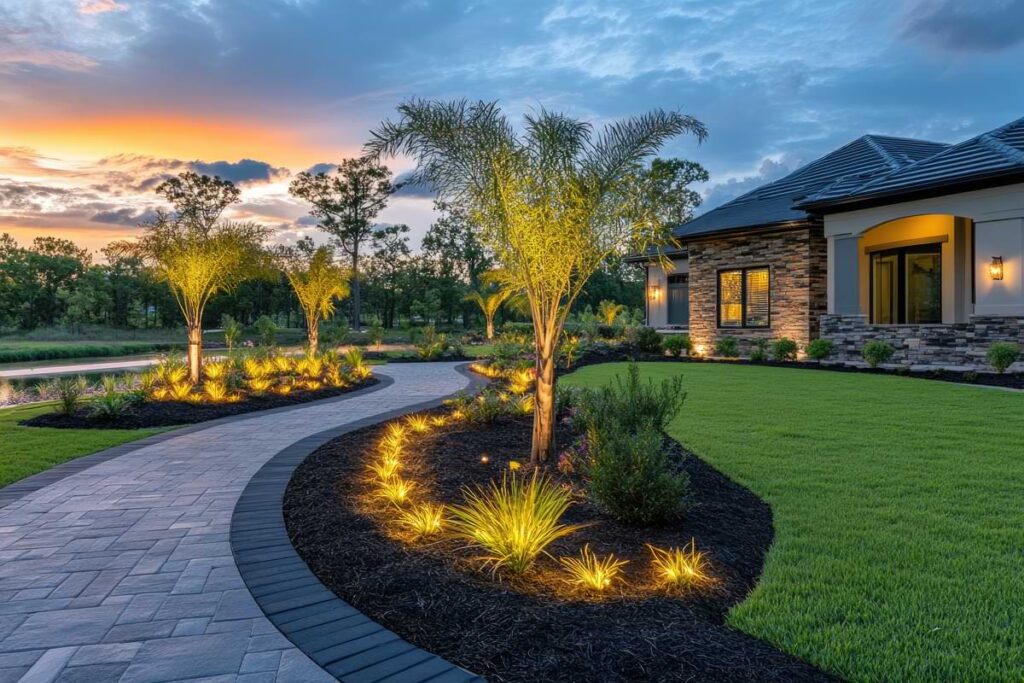
- Highlight Landscape Elements: Illuminate trees and planting beds while keeping fixtures protected from lawn equipment and foot traffic.
- Define Entry Points: Add structure and depth along driveways and property entrances without creating distracting glare.
- Illuminate Vertical Focal Points: Showcase flagpoles, retaining walls, modern facades, and water features with a beam that appears to emerge naturally from the ground for a refined, high-end look.
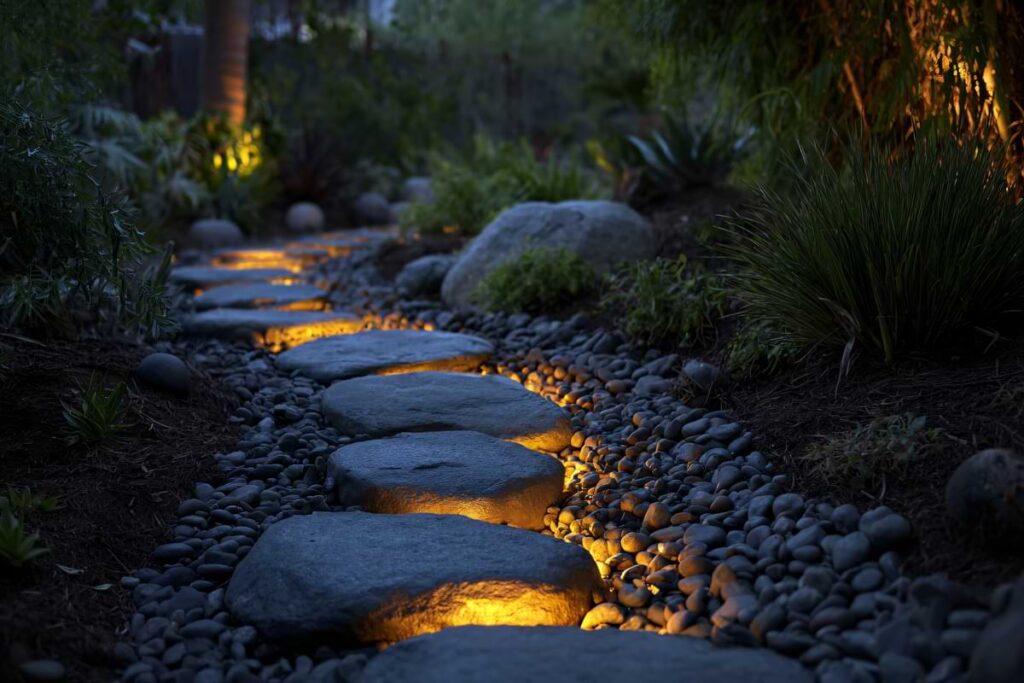
Inground Well Light Performance & Beam Control
Modern LED well lights combine high output with energy efficiency, making them suitable for both subtle accents and dramatic uplighting. With the right optics and placement, installers can tailor the lighting effect to match the scale and texture of each feature.
- Select Beam Spreads: Choose narrow spot beams for tall trees and columns, wider flood beams for textured surfaces, or adjustable optics for customized effects.
- Manage Glare: Use angled shrouds, glare guards, or frosted lenses to soften output and protect sightlines from harsh brightness.
- Position Fixtures Carefully: Aim and place each fixture strategically to enhance the focal point without shining directly into windows or pedestrian views.
- Choose Color Temperatures: Apply warmer tones to create a welcoming residential ambiance or cooler tones to emphasize contemporary architecture and crisp stone textures.
Installation Considerations for Inground Well Lights
Because well lights are installed below grade, proper planning ensures long-term performance and durability. Drainage and serviceability should always be addressed before installation begins.
- Prepare Proper Drainage: Install a gravel base beneath the housing to allow water to flow away from the fixture and prevent pooling or corrosion.
- Plan for Soil Conditions: Account for heavy clay soils or high-rainfall areas by incorporating additional drainage solutions where necessary.
- Maintain Service Access: Ensure wiring connections and fixture components remain accessible for inspection or repair, even though LED technology reduces the need for frequent lamp replacements.
Well Lights: A Clean Finish & Reliable Illumination
In-ground well lights offer a powerful combination of discretion and drama. By keeping the hardware hidden and focusing on upward illumination, they create striking nighttime effects that feel intentional and refined. For property owners seeking a polished landscape lighting design with minimal visual clutter, well lights deliver impact from the ground up.
FAQs for Inground Well Lights
Well lights are used to illuminate outdoor features from the ground up. They highlight trees, columns, walls, water features, and other landscaping elements while keeping the fixture itself hidden. This creates a clean, architectural glow that adds depth and drama to nighttime landscapes.
Install well lights flush with the ground and aimed upward to accentuate the result you want. Placement and beam angle are important, and you can choose from spot or flood beams depending on whether you want focused illumination or a broader wash of light.
Yes, most well lights are designed to withstand foot traffic and lawn equipment. But proper installation with protective housings and a gravel base helps prevent damage from mowers and ensures long-term durability.
Join our Insider list and check out the different lighting options that we have to offer.