Table of Contents: Keep Outdoor Pendant Lights in Place
- How to Keep Outdoor Pendant Lights from Swinging
- Enjoy a Steady & Secure Outdoor Hanging Pendant Light
- FAQs for Outdoor Hanging Pendant Light
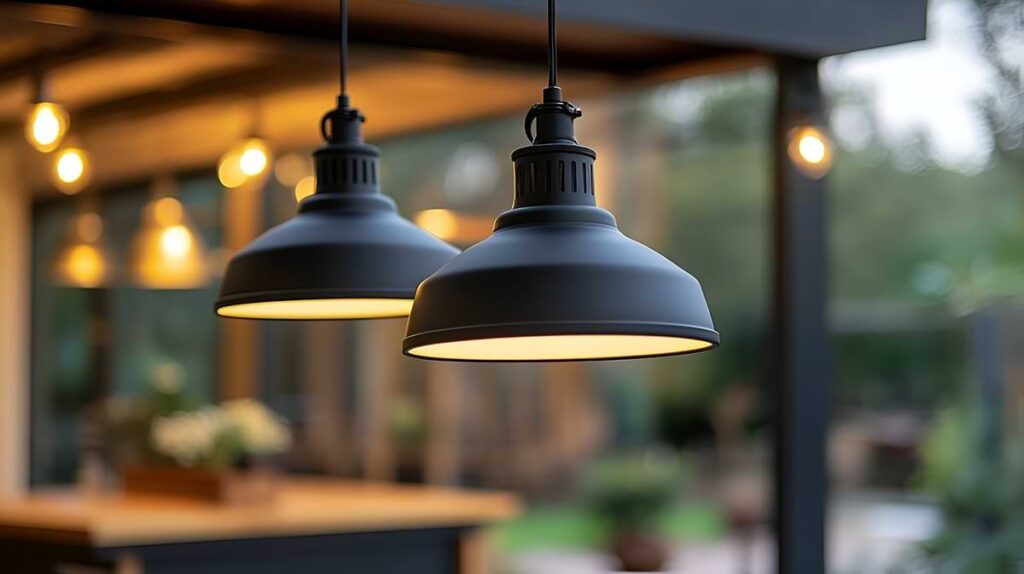
Outdoor hanging pendant lights are a great way to add some style and personality to patios, porches, and other outdoor areas. But when they start swinging around every time the wind picks up, it can get annoying fast. A loose installation, windy conditions, or an uneven fixture can all be the reason your light won’t stay put.
The good news is that a few simple adjustments can help keep your pendant light steady. In this guide, we’ll cover why outdoor pendant lights swing and how to reduce movement without changing the look of your space.
How to Keep Outdoor Pendant Lights from Swinging
Outdoor hanging pendant light fixtures are constantly exposed to wind, vibration, and changing weather conditions. The right installation techniques and accessories can significantly reduce movement without sacrificing the style of your outdoor space.
1: Identify the Cause of Your Swinging Outdoor Pendant Light
Before making adjustments, determine why your outdoor hanging pendant light is moving. Wind exposure, loose hardware, and an unstable hanging system each require a different solution.
| Cause of Swinging | Recommended Fix | Best Solution |
| Strong Wind Exposure | Reduce wind impact | Move fixture to a sheltered area |
| Excessive Hanging Length | Limit movement | Shorten chain or downrod |
| Loose Connections | Improve stability | Tighten or replace hardware |
| Heavy Fixture Weight | Add support | Install stabilizing accessories |
| Worn Components | Restore balance | Repair or replace damaged parts |
2: Install the Pendant in a More Sheltered Location
Wind exposure is one of the biggest reasons an outdoor pendant swings. Even a well-installed fixture can move excessively if it’s placed where wind funnels through.
- Choose Protected Areas: Mount the light beneath a covered porch, gazebo, or deep overhang whenever possible.
- Avoid Wind Tunnels: Stay away from exposed corners, breezeways, or open patio edges where gusts are strongest.
- Use Structural Protection: Install the fixture near columns, walls, or beams that naturally block wind.
3: Shorten the Hanging Chain or Downrod
Reducing the amount of unsupported hanging length helps minimize movement. A shorter suspension will make for a more stable outdoor hanging pendant light.
- Remove Extra Chain Links: Eliminate unnecessary chain length if your fixture hangs lower than needed.
- Maintain Proper Clearance: Keep the bottom of the fixture about 7 to 8 feet above finished grade for most covered outdoor living areas.
- Secure Loose Chain: Prevent excess chain from shifting by properly fastening unused links.

4: Add Stabilizing Hardware
Some locations simply require additional support when wind cannot be avoided. Stabilizing accessories help keep the fixture centered during normal outdoor conditions.
- Install Stabilizer Bars: These provide extra lateral support for larger or heavier fixtures.
- Use Wind-Resistant Hooks: Heavy-duty hooks reduce unwanted movement while maintaining a secure connection.
- Secure Mounting Hardware: Tighten all screws, brackets, and fasteners during installation.
5: Tighten and Maintain the Fixture
Even a properly installed pendant can start swinging if the components loosen over time. Routine lighting maintenance can keep everything operating safely and securely.
- Inspect Monthly: Check chains, canopy screws, mounting brackets, and hardware for looseness.
- Replace Worn Parts: Swap out corroded hooks, damaged chains, or bent hardware before problems worsen.
- Watch for Fixture Damage: Repair or replace cracked shades or warped components that may shift the fixture’s balance.
Enjoy a Steady & Secure Outdoor Hanging Pendant Light
Keeping an outdoor pendant light from swinging usually requires addressing the source of the movement rather than replacing the fixture.
Installing the light in a protected location, shortening the hanging hardware, adding stabilizing accessories, and performing routine maintenance can all help create a safer, quieter, and more attractive outdoor lighting installation that stays steady season after season.
FAQs for Outdoor Hanging Pendant Light
Yes, you can use pendant lights outside as long as they are rated for outdoor use. Look for fixtures with a damp-rated or wet-rated designation depending on the installation location. Damp-rated fixtures work well under covered porches or patios, while wet-rated fixtures are designed to withstand direct exposure to rain, snow, and other weather conditions.
Outdoor hanging lights are commonly called outdoor pendant lights when they hang from a chain, rod, or cord attached to the ceiling. Other types of hanging outdoor fixtures include lantern pendants, hanging lanterns, and suspended ceiling lights. These fixtures are often installed on porches, covered patios, gazebos, and entryways to provide both functional and decorative lighting.
An outdoor pendant light should be proportional to the size of the space and the ceiling height. For most front porches, fixtures between 8 and 14 inches wide work well, while larger covered patios may benefit from pendants 16 to 24 inches wide. The bottom of the fixture should typically hang about 7 to 8 feet above the ground to provide adequate clearance and comfortable illumination.
Join our Insider list and check out the different lighting options that we have to offer.